
At Coral, Safety Is More Than a Priority. It’s Our Core Value
At Coral, protecting people, facilities, and the environment is a responsibility shared across every level of the organization. Our integrated Health, Safety, and Environment (HSE) Management System guides how we assess risks, manage operations, train employees, and prepare for emergencies.
Our Approach to Safety
Building a Culture of Responsibility and Care
Coral’s safety culture is built on responsibility, engagement, and continuous improvement, supported by leadership accountability and clearly defined operating procedures.
Our integrated HSE Management System brings together occupational health and safety, process safety, environmental protection, and emergency preparedness. It incorporates internationally recognized standards and industry frameworks, including ISO 45001:2018, ISO 9001:2015, the Energy Institute Process Safety Framework, JIG HSSEMS, and NFPA fire protection standards.
Through regular risk assessments, employee training, operational monitoring, and incident reporting, we work to identify hazards early, maintain safe working conditions, and continually improve our performance.

Managing Operational Risk
Risk management is integrated into Coral’s daily operations, from fuel storage and distribution to maintenance and engineering activities.
Our procedures cover hazard identification and risk assessment, Permit to Work (PTW) requirements, Management of Change (MoC), equipment isolation, confined-space entry, working at height, lifting operations, and contractor safety.
Operational changes are subject to formal review, while safety-critical systems must remain operational and protected against unauthorized interference. Employees are expected to report hazards, follow established procedures, and intervene when they identify unsafe conditions or practices.
These controls are supported by internal audits, incident investigations, root cause analysis, and corrective-action tracking.
AI-Enhanced Fleet Safety
Coral combines driver training, vehicle monitoring, and operational oversight to manage the risks associated with fuel transportation.
Our fleet safety systems include GPS tracking, onboard cameras, and AI-assisted monitoring of driving behavior and vehicle operations. These technologies support driver coaching, incident analysis, and the identification of potentially unsafe practices.
Regular training in defensive driving, road risk awareness, and ECO-driving complements these monitoring systems, helping drivers maintain safe and responsible practices on the road.
Advanced GPS Tracking
Our GPS systems provide precise location data, ensuring efficient route planning and timely deliveries.
Onboard Camera Systems
High-definition cameras monitor driver behavior and road conditions, enhancing safety and accountability.
Real-Time Monitoring
AI-powered analytics offer instant insights into fleet performance, optimizing operational efficiency.
Driver Training and Coaching
Integrating cutting-edge technology to protect our team and the communities we serve.
2025 HSE Performance
Coral monitors its HSE performance through incident reporting, operational inspections, training, emergency exercises, and corrective-action management. The following figures summarize key activities and results for 2025.
Work-related fatalities
Tank overfill incidents
Emergency drills
HSE training sessions
Toolbox talks
Risk assessment studies
During 2025, Coral conducted three HSE audits and recorded 1,358 participants across its HSE training sessions, along with 988 participants in toolbox talks. The company also recorded eight work-related injuries resulting in 37 lost workdays.
Incident reporting, corrective-action monitoring, and risk assessments remain integral to Coral’s approach to identifying areas for improvement and preventing future incidents.
Protecting Our Facilities
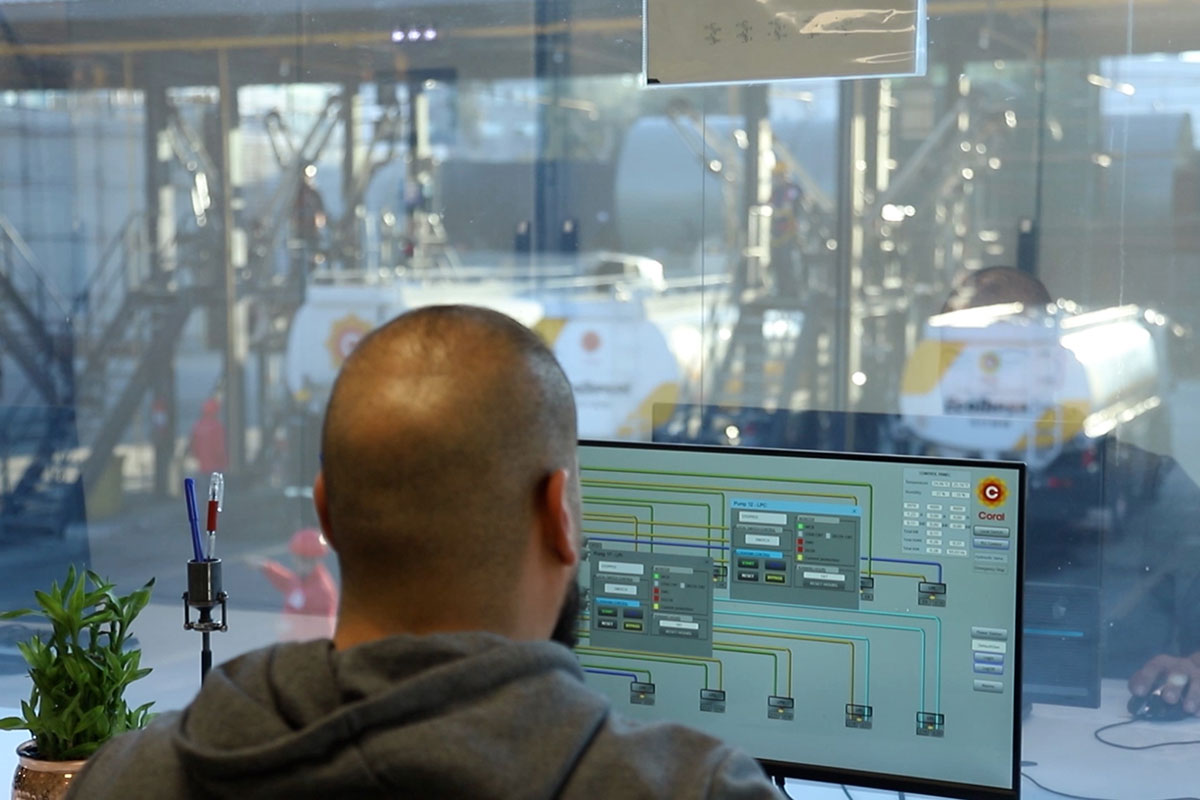
Safety at Coral’s storage and distribution facilities is supported by engineering controls, preventive maintenance, and emergency protection systems designed to manage operational risks.
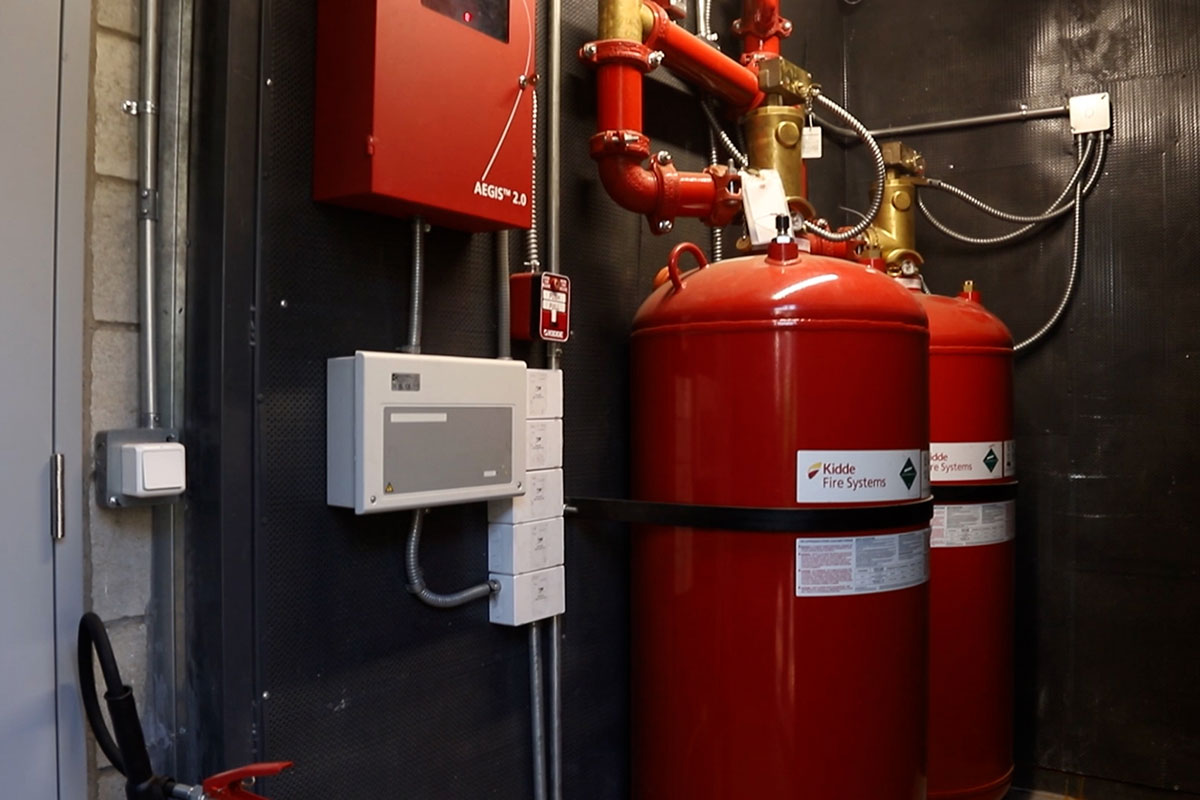
Our facilities incorporate fire detection and protection equipment, foam systems, and dedicated firewater infrastructure. Storage installations are designed and maintained in accordance with applicable technical standards, including API requirements, while fire protection systems follow relevant NFPA standards.
Cathodic protection, preventive maintenance, equipment inspections, and modernization programs help maintain asset integrity and reduce the risk of equipment failure.
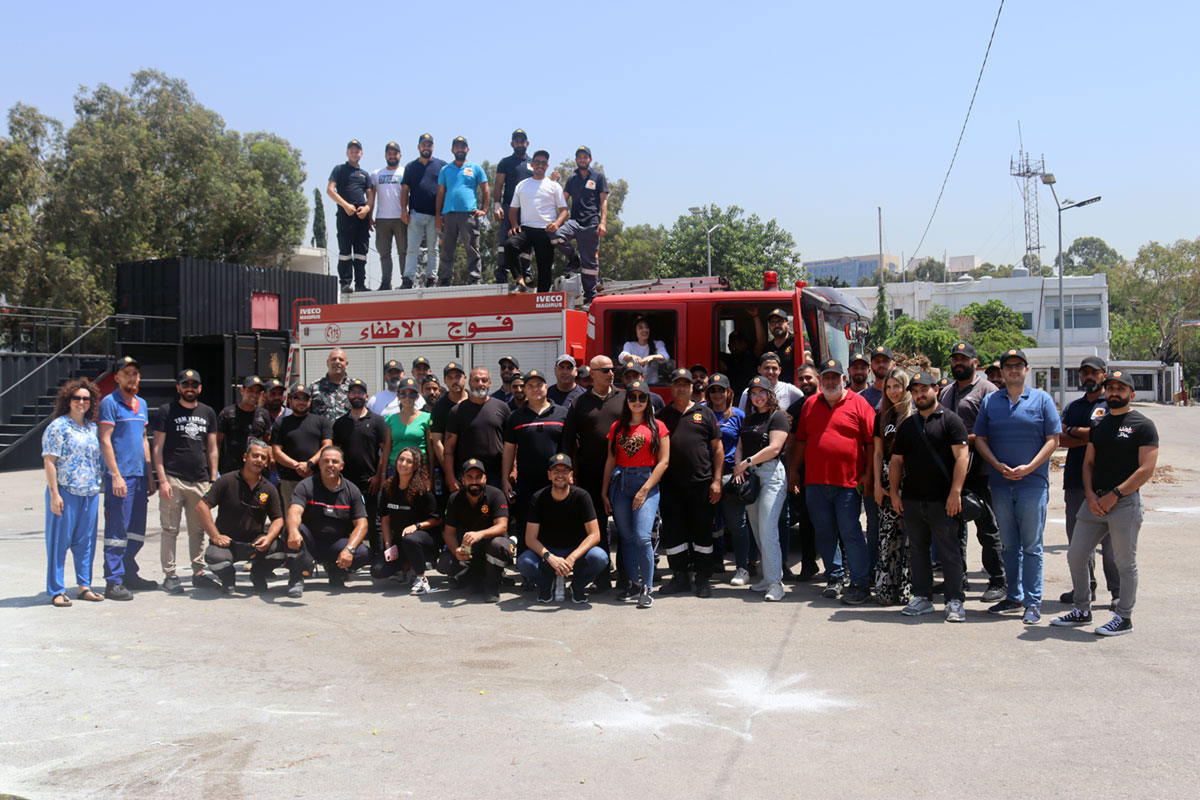
These measures are supported by structured emergency response teams, regular drills, and scenario-based exercises. Coral also works with external emergency services, including the Beirut Fire Brigade, to strengthen preparedness and response capabilities.
Ongoing Improvement Strategies
Comprehensive Oversight for Safety Excellence
Building Skills for Safety
HSE training begins with mandatory induction for employees and visitors and continues through role-specific programs, practical exercises, and regular refresher sessions.
Training covers hazard identification, risk assessment, Permit to Work procedures, Management of Change, incident investigation, emergency preparedness, and safe working practices. Specialized programs address the responsibilities of technical personnel, supervisors, managers, and emergency response teams.
Regular toolbox talks provide opportunities to discuss task-specific hazards, review safety procedures, and address concerns raised by employees during daily operations.
Specialized Safety Training Programs
Firefighting Collaboration
Partnering with the Beirut Fire Brigade, we offer comprehensive firefighting training for over 200 staff members, enhancing their emergency response capabilities.
ECO Driving Simulator
Our ECO Driving Simulator trains drivers in eco-friendly driving techniques, promoting safety and efficiency on the road.
HSE Management for Leaders
Designed for managers, this program covers essential health, safety, and environmental management practices to lead by example.
Incident Reporting & Investigation
This program teaches the critical skills of incident reporting and investigation, ensuring thorough analysis and prevention of future occurrences.
Permit to Work & Change Management
Focused on safe work practices, this training covers the permit to work system and effective management of change processes.
Scaffolding Safety
In collaboration with Bureau Veritas, we provide scaffolding safety training to ensure compliance with industry standards.
Fire System Components
Participants learn about the various components of fire systems, enhancing their understanding of fire safety infrastructure.
Train-the-Trainer Program
Accredited by ACTD, this program equips trainers with the skills needed to effectively deliver safety training to others.
Beyond Compliance
Environmental Protection
Environmental risk assessments, operational controls, and preventive measures support responsible management of emissions, waste, and potential spills
Employee Health and Well-being
Occupational health, safe working conditions, training, and employee participation are integral to Coral’s HSE approach
Reporting and Continuous Improvement
Incident investigations, audits, hazard reporting, and corrective-action tracking help identify weaknesses and strengthen preventive measures
Our HSE Commitment
Coral’s HSE Policy establishes the principles and responsibilities that guide safety across our operations. It reflects our commitment to protecting employees, contractors, customers, communities, and the environment through clear procedures, accountability, and continuous improvement.