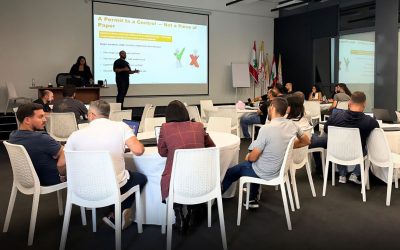
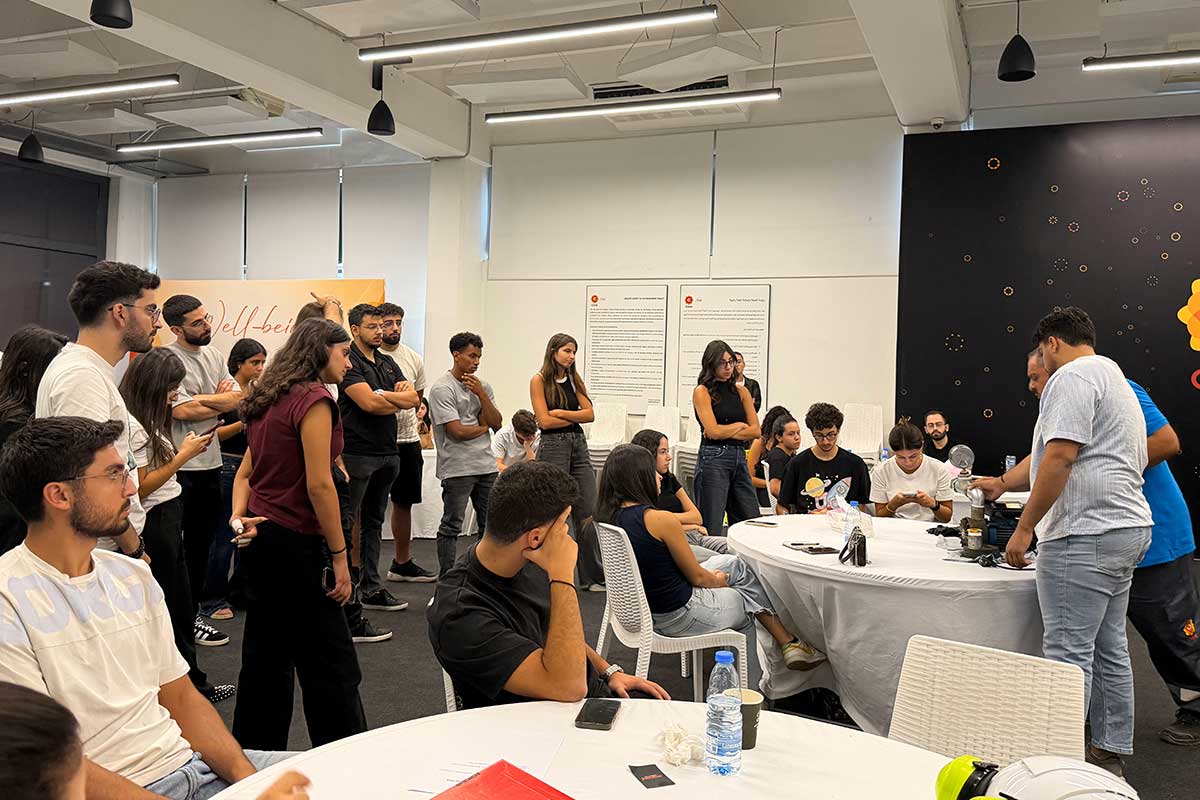
Coral has completed the fourth edition of The EDGE Internship Program (Engineering Development & Growth Experience), providing 42 engineering students from eight Lebanese universities with a month of practical training across the company’s operations.
Held from August 3 to 31, 2026, the program brought together students specializing in chemical and petrochemical, mechanical, and industrial engineering from the American University of Beirut, Saint Joseph University of Beirut, University of Balamand, Lebanese American University, Notre Dame University–Louaize, Université La Sagesse, Lebanese University, and Holy Spirit University of Kaslik.
Through rotations across five operational areas, Health, Safety & Environment (HSE), Terminal Operations, Laboratory, Projects & Engineering, and Fleet & Stations Maintenance, participants worked alongside Coral’s teams, gaining direct exposure to the equipment, processes, and technical decisions involved in the energy sector.
Terminal Operations: Understanding the Infrastructure
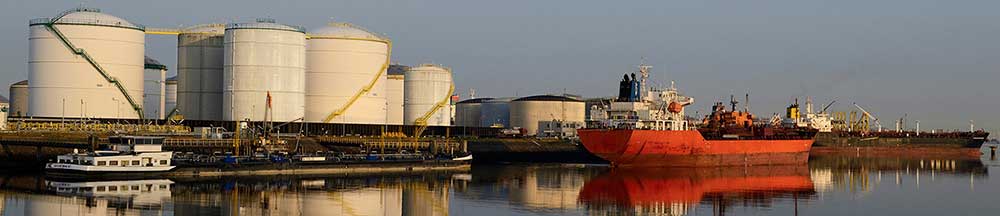
At Coral’s terminal, the interns explored the infrastructure and processes involved in receiving, storing, handling, and distributing petroleum products.
The rotation began with an overview of terminal operations, covering the journey from the sealine and vessel discharge activities to truck loading. Students then participated in practical activities involving centrifugal pumps, welding, valves, and hydraulic systems.
They also observed pressure relief valve calibration, carried out routine marine equipment checks, and examined the operation of limit switches and alarms.
These activities helped participants understand how individual components function within a larger operational system, while introducing them to the technical requirements and safety considerations involved in terminal operations.
Laboratory: Quality Control from Storage to Distribution
The laboratory rotation introduced students to the testing procedures used to verify product quality and compliance.
At Coral’s Internal Laboratory, interns gained practical exposure to the Jet A-1 aviation fuel recertification process, including the series of tests and filtration checks required to establish compliance with applicable specifications.
They also learned about the Mobile Laboratory, which conducts on-site gasoline and diesel testing at service stations, extending quality monitoring across the distribution network.
To apply their knowledge, participants worked through a case study based on an actual quality-control scenario. The exercise challenged them to interpret test results, identify potential issues, and develop conclusions supported by technical evidence.
Stations Network and Fleet Maintenance: Exploring Daily Operations
During their rotation through Coral’s Stations Network, interns examined the technical and operational systems involved in running and maintaining service stations.
The program covered underground infrastructure, equipment installation, calibration, fuel unloading procedures, and the electrical and electronic systems supporting station operations.
Students observed equipment refurbishment and maintenance processes, including the repair, painting, and recommissioning of machinery. They also explored equipment used in car wash facilities and vehicle servicing.
The rotation extended to the administrative and operational processes supporting the network, including procurement, stock management, quality procedures, maintenance planning, and billing.
A visit to Fleet Maintenance provided additional insight into the equipment, procedures, and day-to-day activities required to support Coral’s distribution operations.
Projects & Engineering: From Design to Execution
Working alongside Coral’s Projects & Engineering Department, participants explored the development and implementation of major infrastructure projects.
Using the Coral Terminal project as a practical example, engineers introduced students to the project lifecycle, beginning with the Basis of Design and progressing through engineering, construction, execution, and commissioning.
The interns then accompanied engineering teams on site visits, observing ongoing works and discussing the technical challenges involved in translating engineering plans into operational infrastructure.
The rotation also introduced participants to Coral’s renewable energy activities. Students visited the company’s solar power plant, learned about ongoing renewable energy projects, and discussed energy efficiency and the role of engineering in the energy transition.
An energy audit exercise gave them an opportunity to assess a project’s energy consumption, identify potential improvements, and consider solutions to improve efficiency.
Developing the Next Generation of Engineers
Throughout the program, students were encouraged to ask questions, examine technical challenges, and work through problems with the guidance of experienced professionals.
The combination of field visits, practical exercises, technical discussions, and case studies helped participants strengthen their analytical and problem-solving abilities while developing a broader understanding of teamwork and operational responsibility.
For Coral’s employees, EDGE also provided an opportunity to share their professional experience and engage directly with students preparing to enter the engineering profession.
The fourth edition concluded on August 31, bringing together a month of learning across the company’s principal operational departments.
Through EDGE, Coral continues to invest in practical learning opportunities for Lebanese university students, helping them develop the technical knowledge, professional skills, and confidence needed to begin their careers in engineering.